

Hello, this is PARAMETA, your Web3 Enabler.
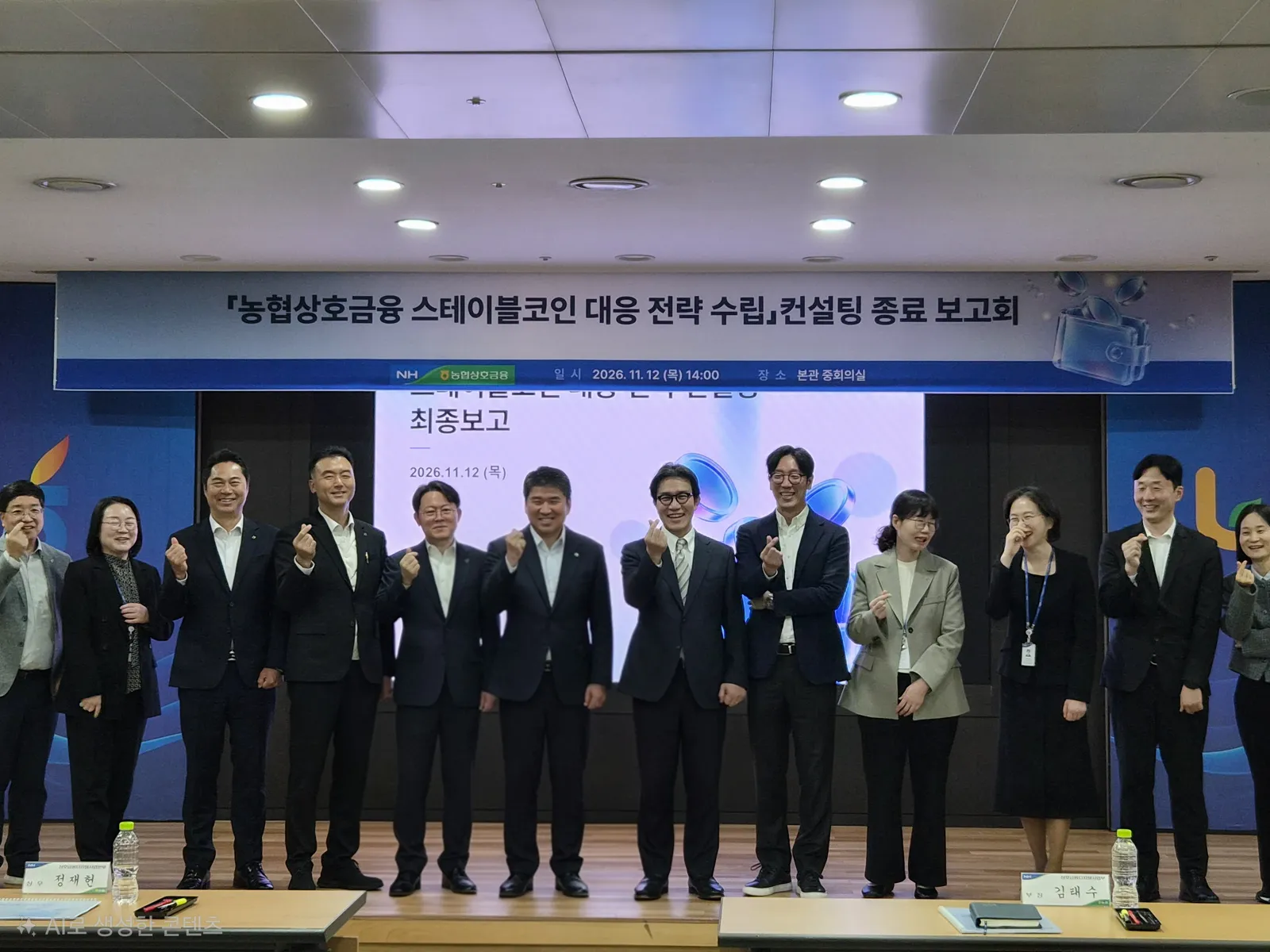
On November 12, at the National Agricultural Cooperative Federation (NongHyup) headquarters in Jung-gu, Seoul, PARAMETA presented the results of the stablecoin PoC (proof of concept) carried out with NongHyup Mutual Finance and EY Han Young, demonstrated the digital wallet app, and ran an on-site payment demo for attendees.
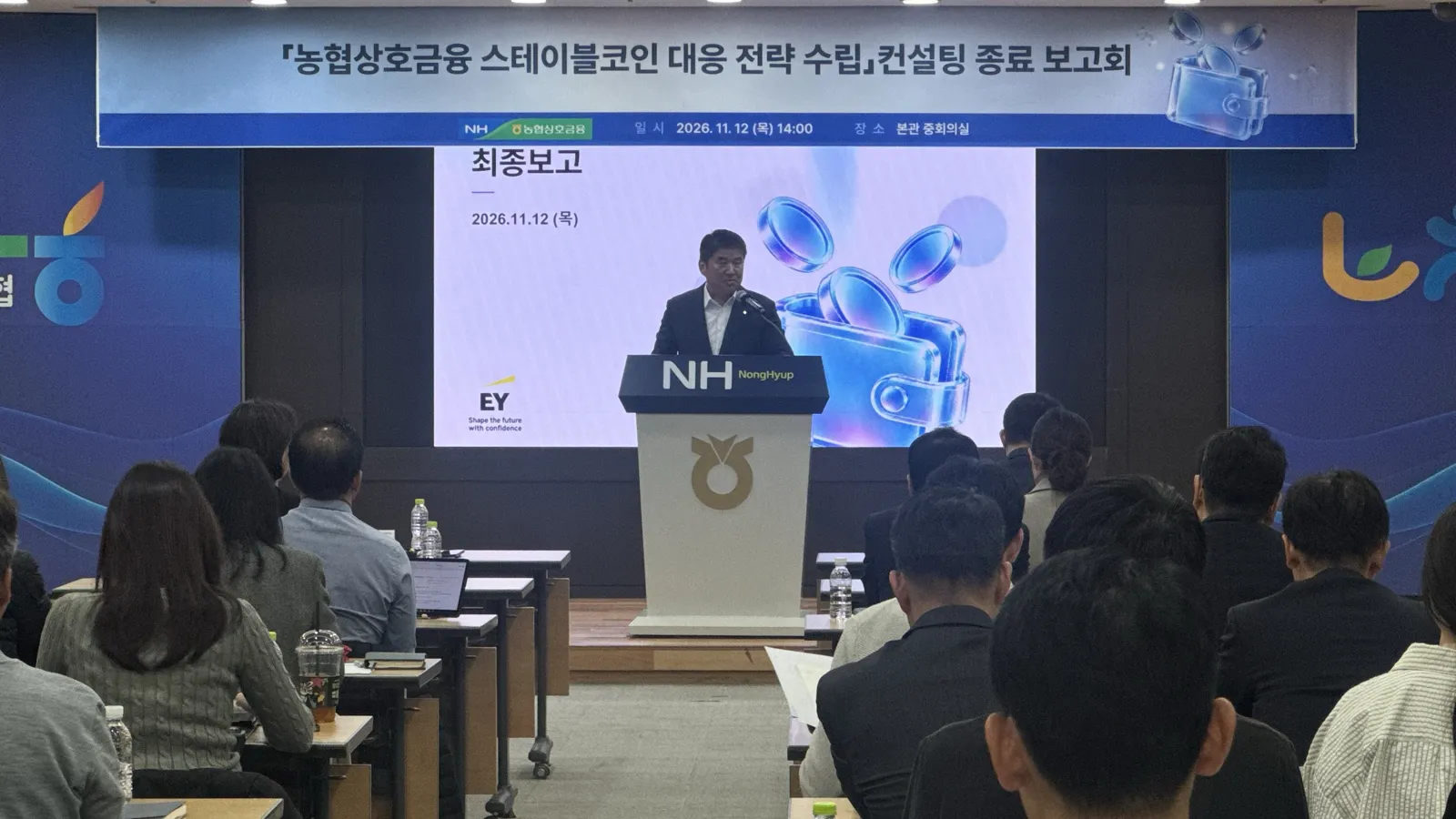
Checking the Operating Model Before the Rules Take Effect
The policy debate around Korean won stablecoins is picking up.
The Financial Services Commission has said it is preparing the government's draft of the Digital Asset Basic Act with the November review by the National Assembly's Political Affairs Committee bill subcommittee in mind.
What a financial institution needs to settle before deciding whether to issue is its operating model: the wallets that will hold customer assets, the routes for transfers and payments, and how transaction records and settlement are managed.
Starting to design that model only after the rules are out means responding late.
NongHyup Mutual Finance Stablecoin Strategy Consulting
This year, NongHyup Mutual Finance ran a stablecoin strategy consulting engagement.
EY Han Young handled the business and operating models and the regulatory review, while PARAMETA, as the technology partner, built the digital wallet, the blockchain ledger, and the demo applications.
The project kicked off in July, moved into the PoC at the end of August, passed an interim report in September, and wrapped up with this final report. The goal was to validate, in a test environment and ahead of the final rules, the technical foundation for running stablecoin services.
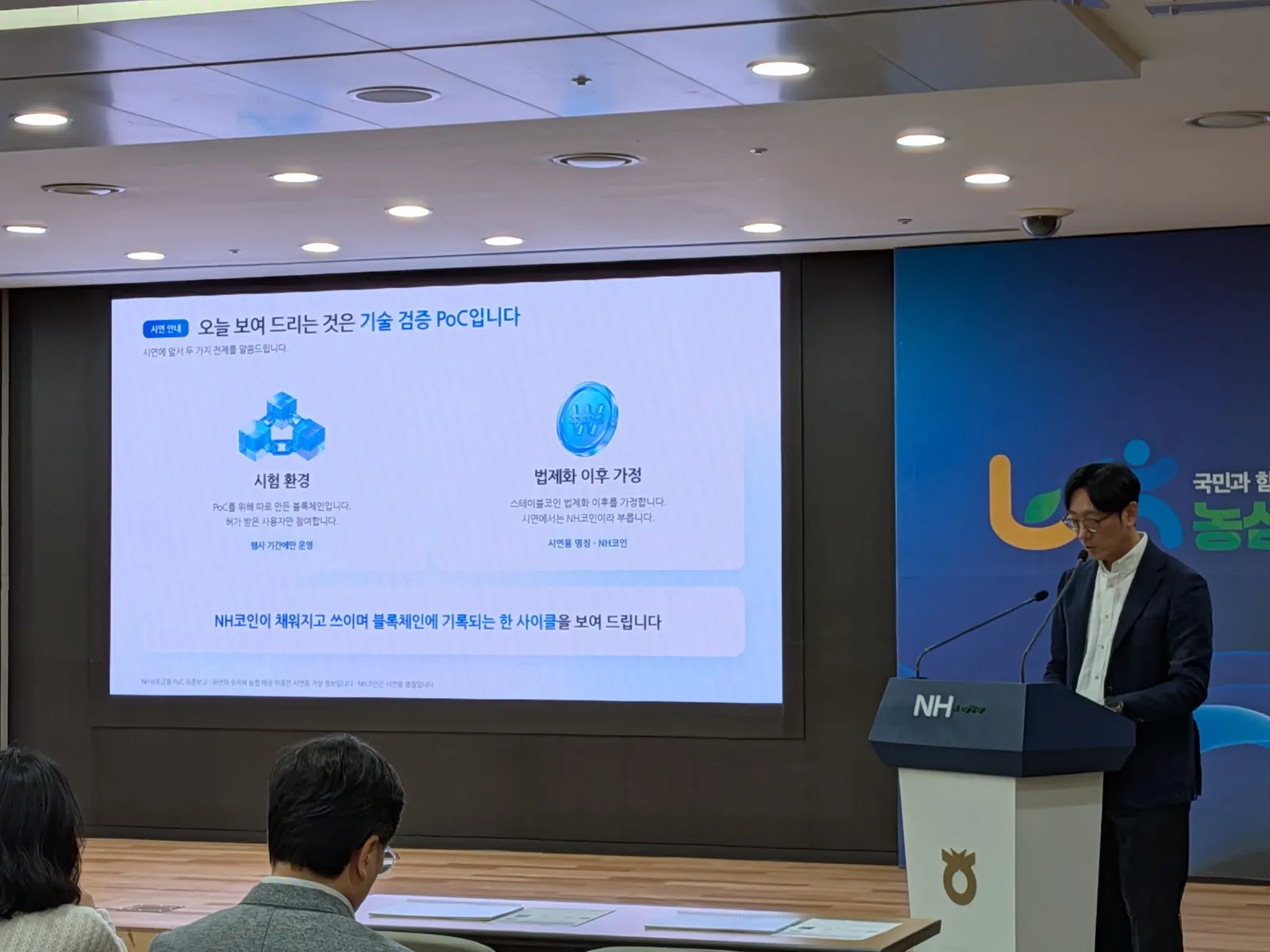
Demo Scenarios
The PoC showed three scenarios in a single digital wallet app.
- Gift vouchers: Receive a digital gift voucher in the wallet and use it at merchants. Customers without a NongHyup account can receive it after opening a wallet
- Overseas remittance: A foreign resident in Korea sends tokens received in the wallet abroad. Transfers only between pre-approved users
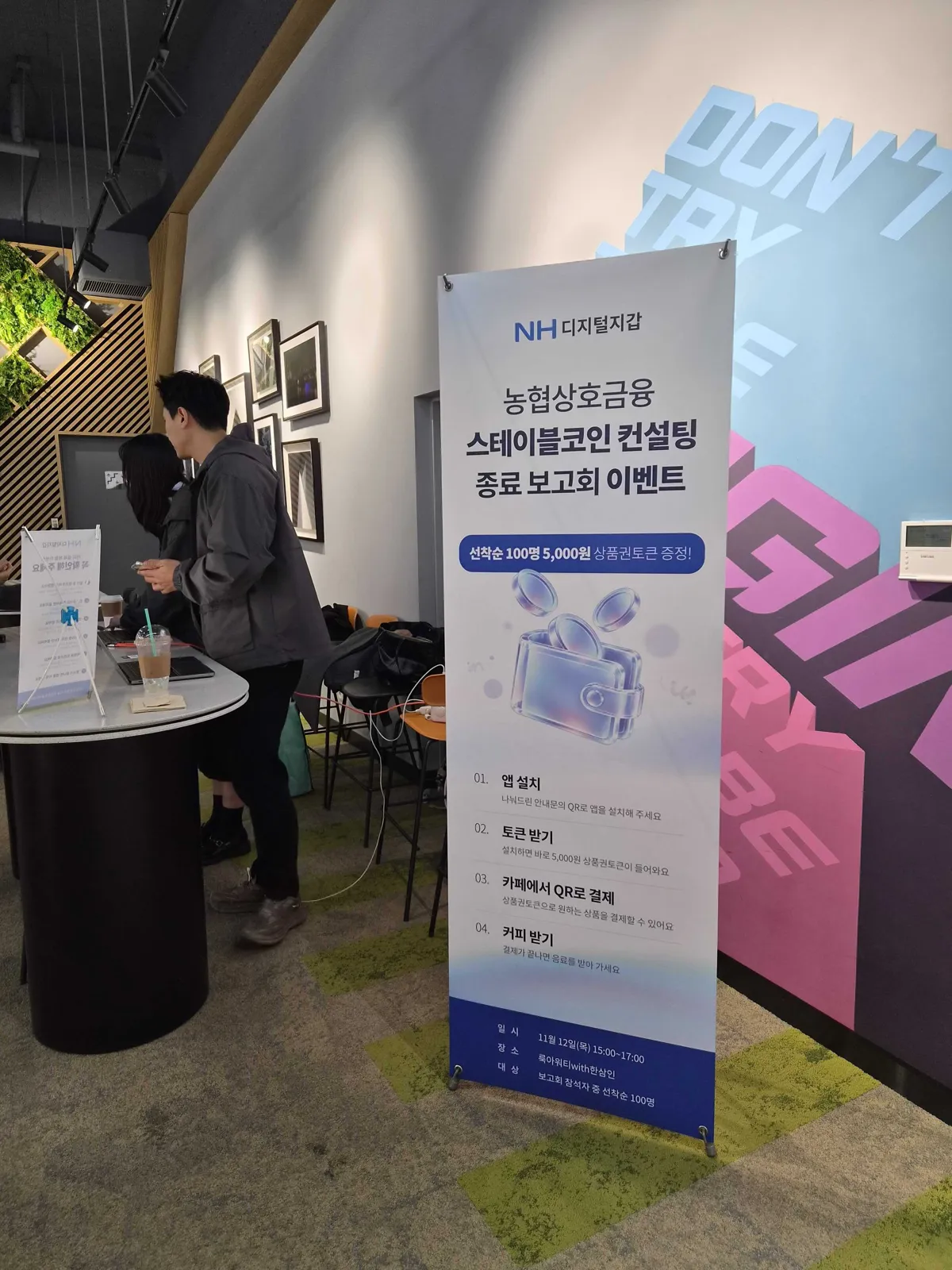
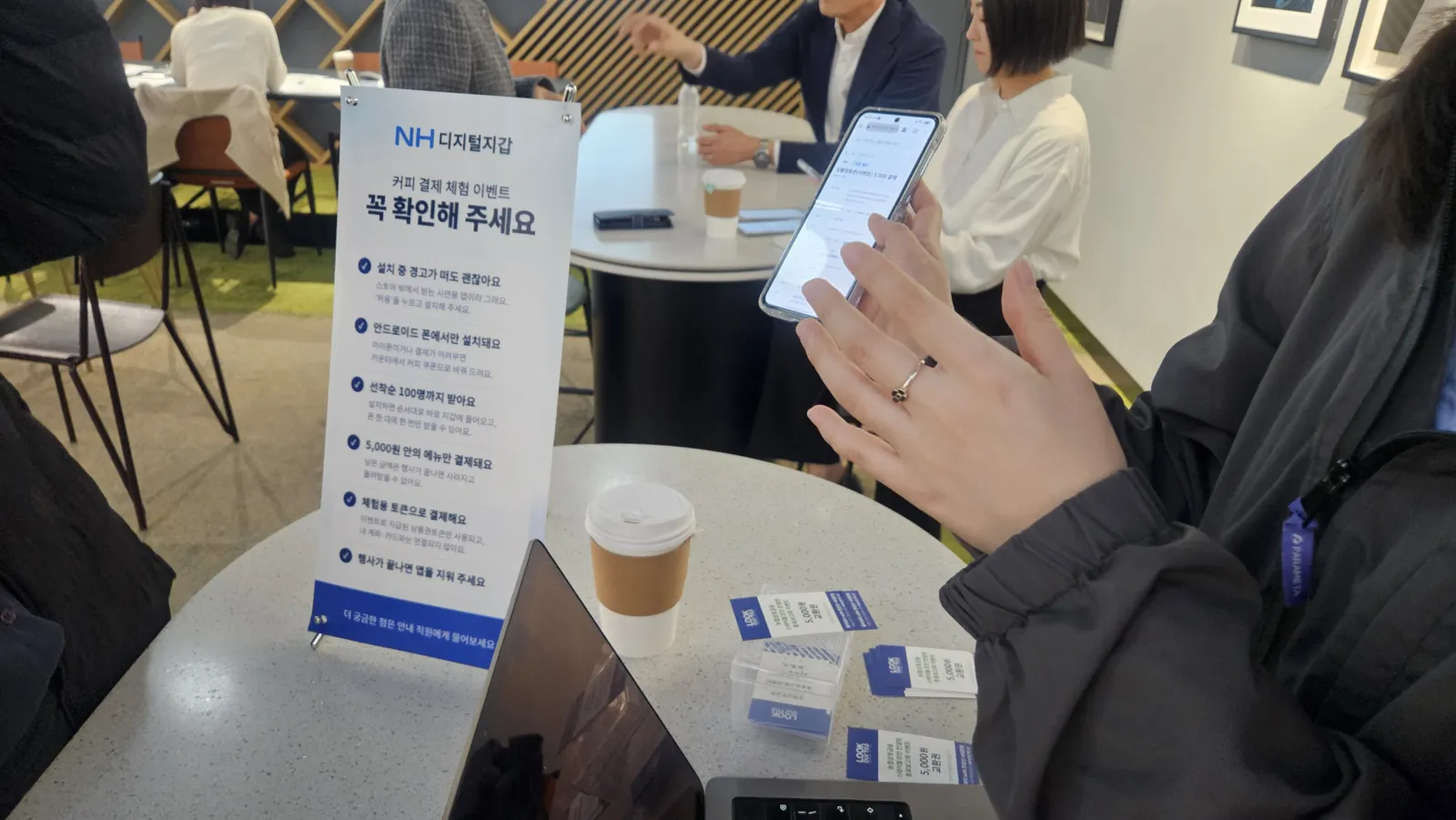
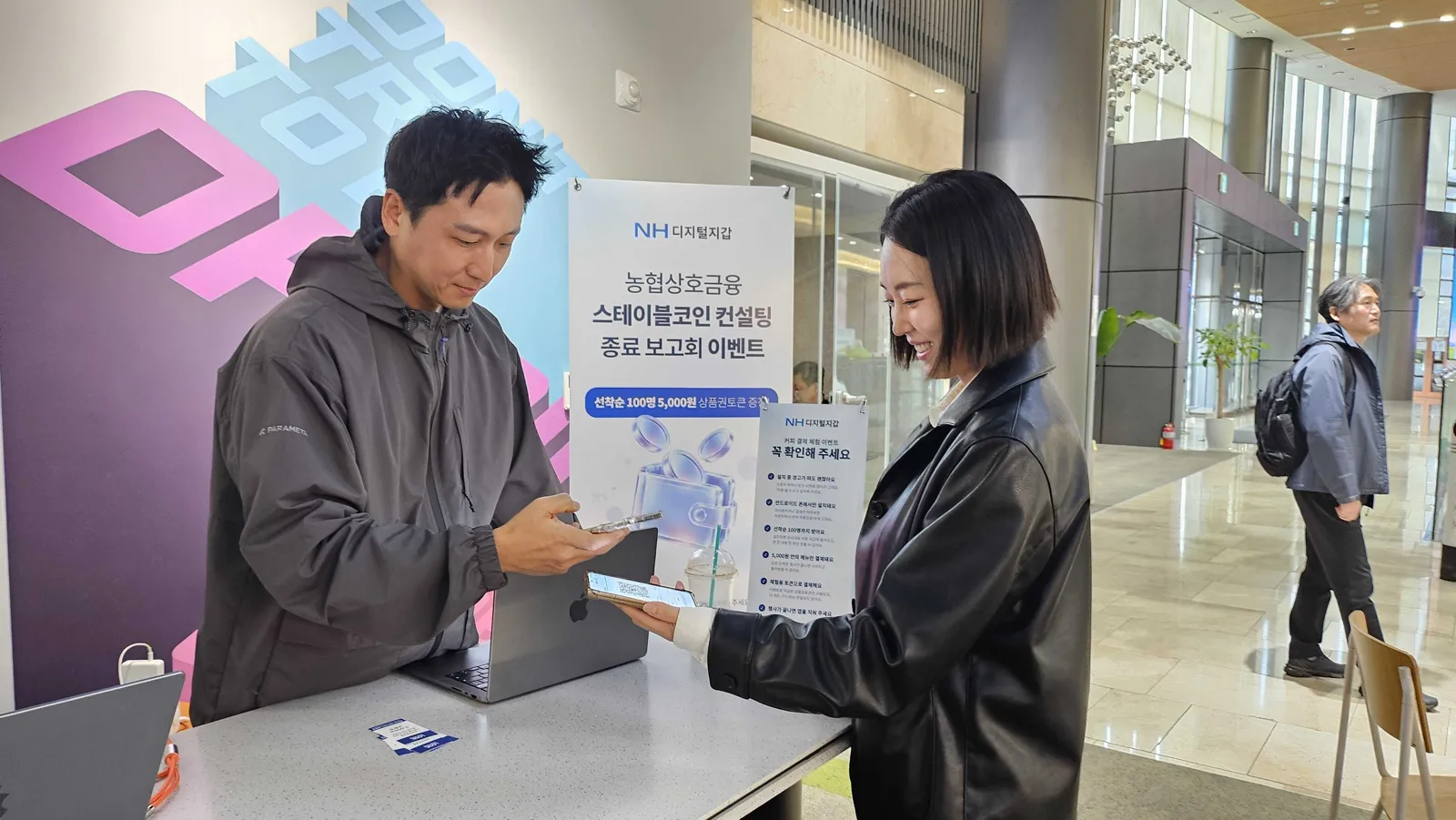
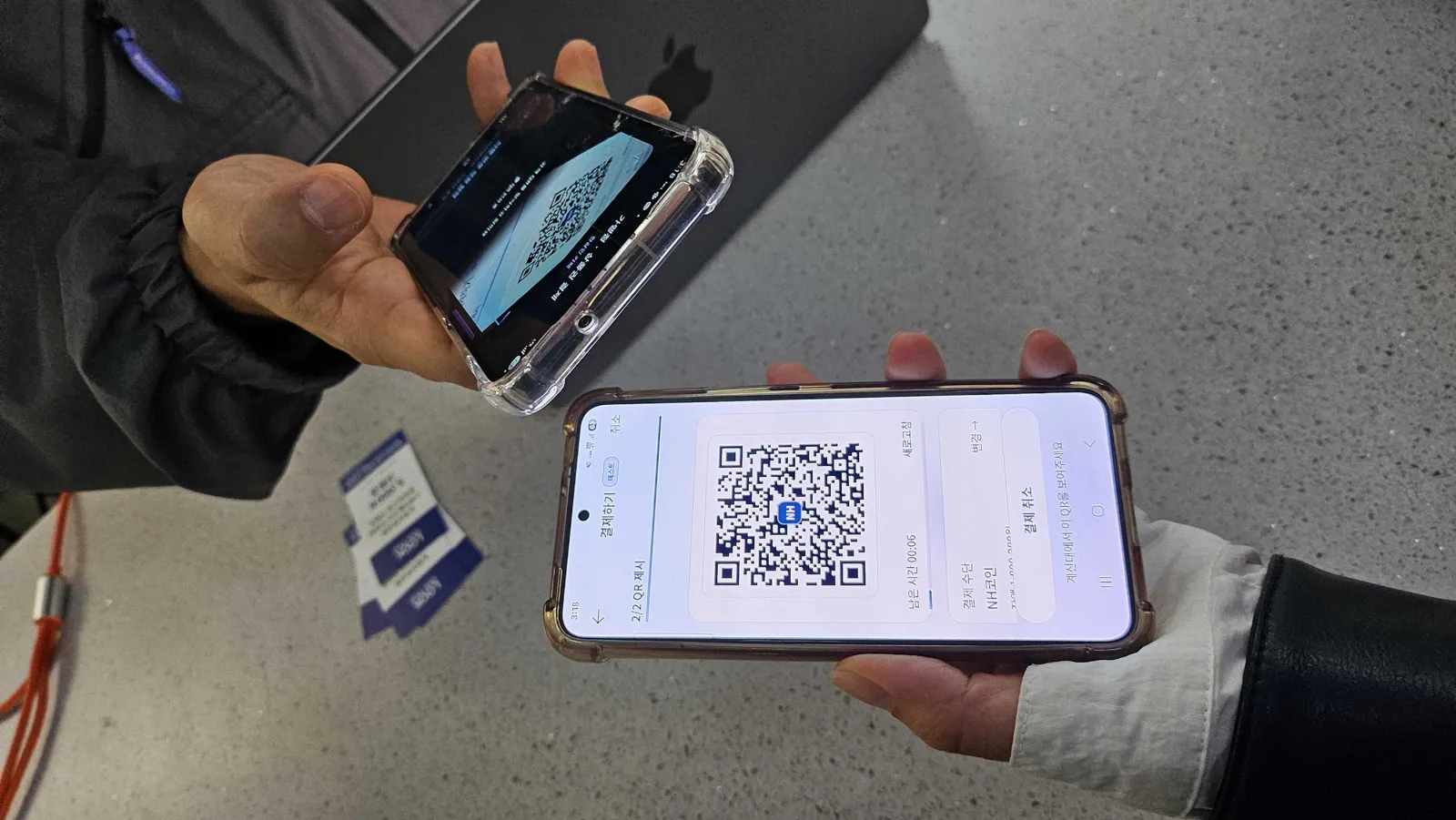
- Café payment: After the report session, attendees paid for coffee themselves with test stablecoins at a café inside the NongHyup building
Each scenario covers one part of how a customer receives, sends, and spends stablecoins.
Together, they walked through the basic flows a mutual finance institution would have to support if it opened a stablecoin service.

Changes in Settlement and Reconciliation
For those who paid on site, it probably didn't feel much different from a familiar mobile payment.
What the PoC set out to test was not how users pay, but the settlement and reconciliation that happen between financial institutions after the payment.
A shared ledger across institutions
Today, when a transfer or payment happens, each institution records it in its own ledger, and the institutions then reconcile their records against each other.
In this PoC, the participating institutions shared a single blockchain ledger, so the sender's side and the recipient's side saw the same transaction record. This structure can reduce the work of matching records institution by institution.
We expect the effect of a shared ledger to be especially large in mutual finance, where cooperatives across the country run on a single system.
Funds moved at the time of payment
With card payments, there is a separate settlement cycle between approval and the merchant receiving the funds.
In the café payment, the stablecoins moved straight to the merchant's wallet at the time of payment, confirming within an actual store flow a structure that can reduce a separate settlement step.
Transaction rules built in
Rules such as who can receive and where funds can be sent were built directly into the tokens and wallets rather than into a separate system.
Instead of checking compliance with the rules after the fact, they apply at the transaction step itself. The overseas remittance scenario, which only allows transfers between pre-approved users, is a good example.
About PARAMETA
In this PoC, PARAMETA used its digital asset solution ParaSta to implement everything from wallet opening to payments, transfers, and merchant transaction checks as one connected flow.
ParaSta is PARAMETA's digital asset financial infrastructure, covering stablecoins, deposit tokens, and real-world asset (RWA) tokenization.
Earlier, in September, we completed a deposit-token-based insurance PoC with Shinhan EZ General Insurance. This time we widened the scope to gift vouchers, overseas remittance, and merchant payments in mutual finance.
Applying digital assets to the different financial operations of each sector is one of PARAMETA's strengths.
The shape of the rules will become clear before long.
What financial institutions will need then is not a blueprint drawn from scratch, but an operating model that has already been tested once.
PARAMETA will build on what this PoC confirmed to prepare the next stage with NongHyup Mutual Finance.
Thank you to everyone from NongHyup Mutual Finance and EY Han Young who joined the report session, and to all who took part in the café demo.
We would appreciate your continued interest as PARAMETA widens the use of digital assets in finance! 🙌
Thank you.